
Rodents & Wildlife
Scratching in the walls after dark and droppings behind the stove are the two calls that come in most every fall. Traps catch the mice that are already inside. Sealing the way in is what stops the next ones.
On any mouse problem, the first check is where the animals are getting in, often a gap around a pipe or along the foundation, because traps will not hold for long if the opening stays. Rats, squirrels and raccoons are bigger, but the logic is the same. Find the door they use, get them out, then close it.
Signs of Rodents or Wildlife
- Droppings in cabinets, drawers, the garage or the attic
- Scratching or running in the walls or ceiling
- Gnawed wiring, pipes or food packaging
- Dark grease marks along walls and baseboards
- Nests of shredded paper, fabric or insulation
- Thumps, rolling or squeaking noises in the attic
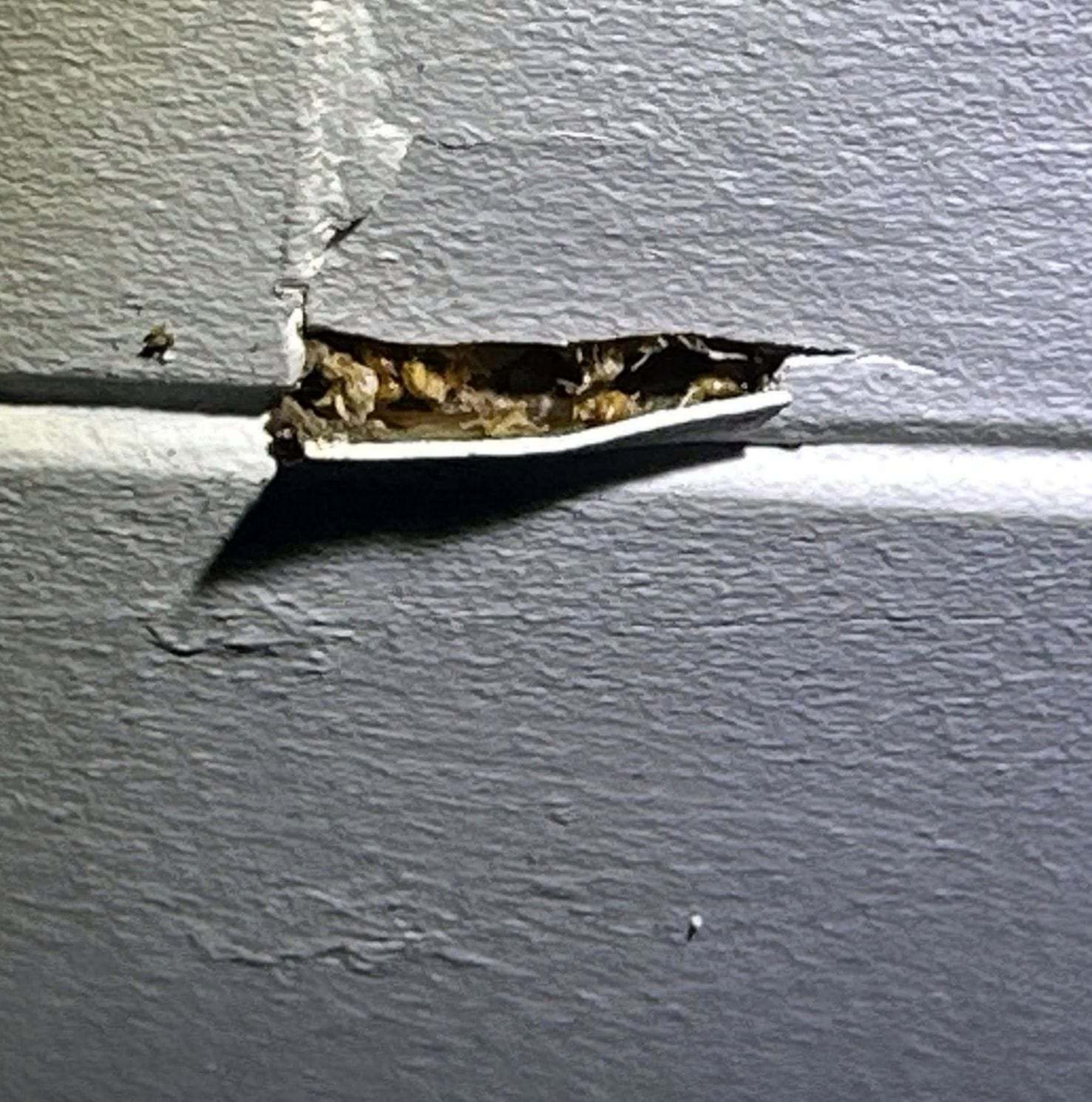
Grease marks are easy to miss. Mice and rats run the same path along a wall every night, and the oil in their fur leaves a dark smear at the bottom edge of baseboards, around pipe holes and along the top of the foundation. Where those marks lead is usually where the entry is.
Animals and Where They Get In
| Animal | Common entry points | Typical sign |
|---|---|---|
| House mice | Gaps at pipes and wires, under doors, garage door corners, foundation cracks | Small pointed droppings in drawers and cabinets |
| Norway rats | Burrows along the foundation, under decks and sheds, sewer and drain lines | Burrow holes outside, larger blunt droppings, gnawed wood |
| Gray squirrels | Chewed soffits and fascia, roof vents, gaps where the roof meets the wall | Running and rolling noises in the attic at dawn and dusk |
| Raccoons | Uncapped chimneys, torn roof vents, weak spots in soffits | Heavy thumps at night, torn insulation, damaged vents |
| Bats | Gaps at the roof ridge, loose flashing, attic vents | Droppings piled below a gap, stains around the opening |
Rodent and Wildlife Jobs
| Job | What it involves | Page |
|---|---|---|
| Entry-point inspection | Walking the foundation, roofline, garage and attic to find every way in | Inspections |
| Trapping inside | Traps set along the runs where droppings and grease marks show | Book Service |
| Exclusion sealing | Gaps packed and sealed, vents screened, soffits repaired | Repairs |
| Sweeps, covers and stations | Door sweeps, chimney covers and bait stations outside | Installations |
| Attic cleanup | Fouled insulation removed and replaced once the animals are out | Repairs |
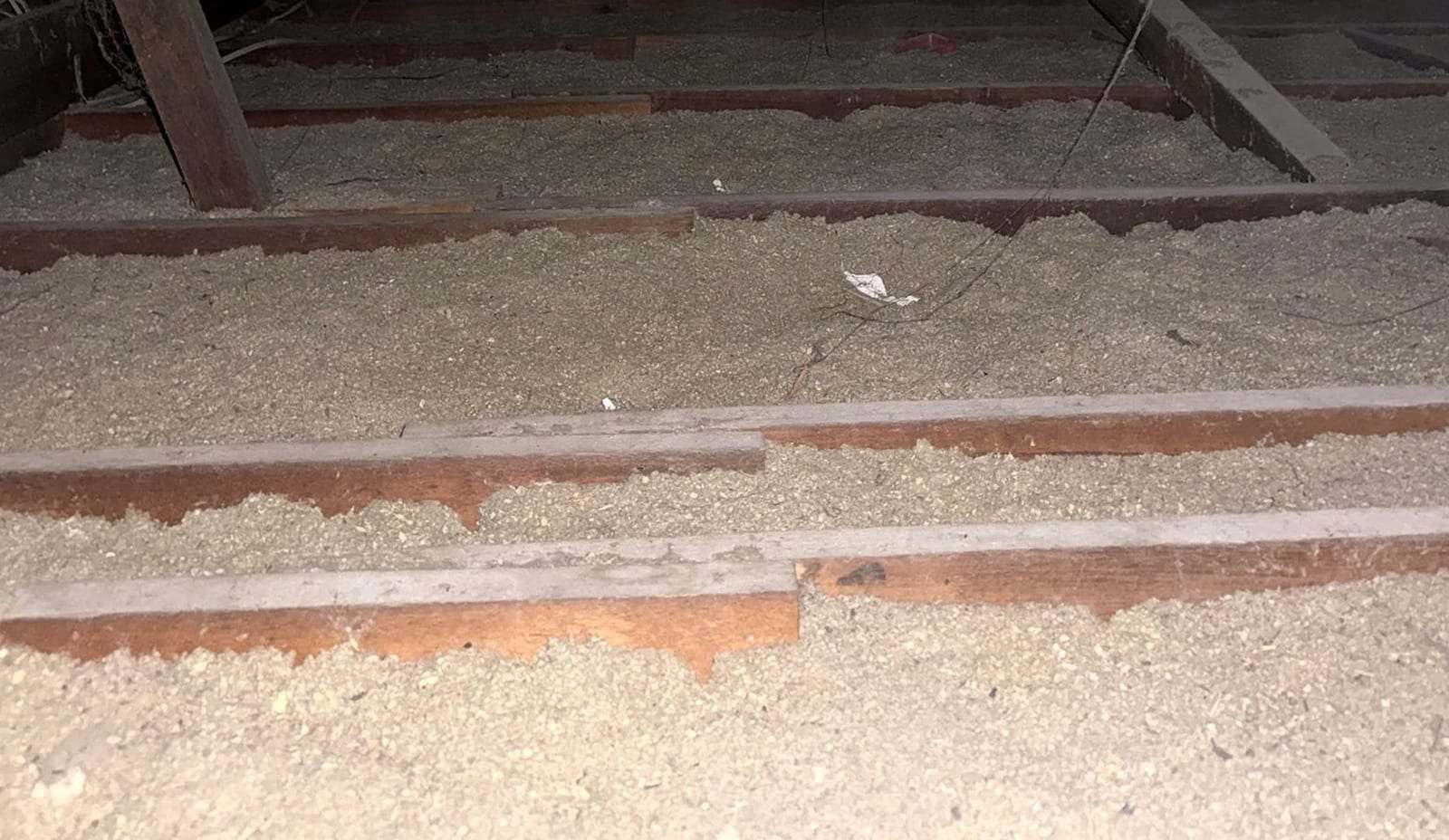
Attic work follows a set order. The animals come out first, by trapping or with a one-way door over the entry they use. The openings get sealed next. Only then does damaged insulation come out and new go in. Fix the insulation first and the next squirrel nests in it.
Wildlife in attics is seasonal around here. Squirrels look for nesting spots in late winter and again in late summer, and raccoons favor chimneys in spring.
Mice or Rats?
Is it mice or rats?
Droppings are the quickest clue. Mouse droppings are about the size of a grain of rice and pointed at the ends; rat droppings are about the size of a raisin and blunt. Mice show up in cabinets, drawers and walls. Rats in this area are usually Norway rats, which burrow along foundations, under decks and near garbage.
Animals in the Attic or Chimney
Something is living in my attic or chimney. What now?
Do not block the opening yet. Listen for when the noise happens: scurrying at dawn and dusk suggests squirrels, heavy thumps at night suggest raccoons. The animal and any young have to be out before the entry is sealed, and an uncapped chimney needs a cover once it is clear.
Hearing scratching, or finding droppings? Book a visit and the entry point gets found first.