
Maintenance & Inspections
The cheapest pest problem is the one caught early. Scheduled inspections and recurring treatments keep ants, spiders, cockroaches and rodents from settling in, and they catch termite activity before it reaches the wood.
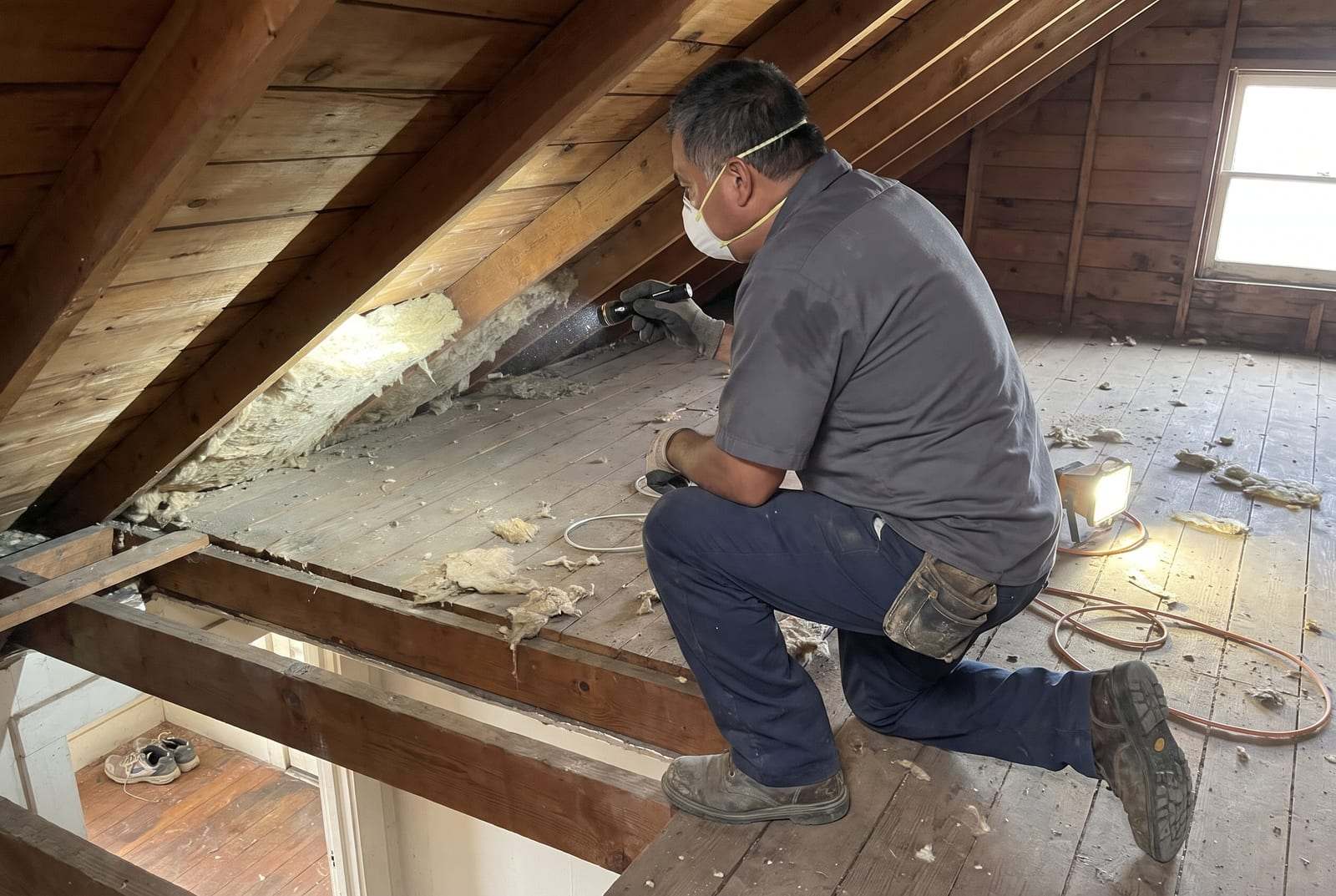
An inspection is a walk around and through the property with a flashlight, looking for live insects, droppings, nests and the conditions that invite them: moisture, wood touching soil, gaps in the building and food left in reach. A recurring treatment follows from what the inspection finds, usually along the foundation and at the spots where pests enter.
Maintenance Options
| Service | What it targets | Who it suits |
|---|---|---|
| Whole-property inspection | Active pests, entry points and conditions that invite them | Homeowners after a move or at the first signs |
| Recurring perimeter treatment | Ants, spiders, cockroaches and other insects coming in from outside | Homeowners who want the foundation kept clear |
| Bait station checks | Mice and rats around the outside of the building | Homes with past rodent trouble, landlords |
| Unit inspections between tenants | Cockroaches, bed bugs and mice left behind | Landlords and property managers |
| Scheduled service for small businesses | Cockroaches, ants and rodents around kitchens, storage and trash areas | Small businesses and shops |
| Termite monitoring checks | New subterranean termite activity in the soil | Homes with monitoring stations installed |
| Wood-destroying insect inspection | Termites, carpenter ants and wood-boring beetles | Buyers and sellers before a closing |
Areas Inspected Around a Property
- Foundation, inside and out
- Crawl space
- Attic
- Garage
- Kitchen and bath plumbing
- Eaves
- Yard edges, woodpiles and mulch beds
The attic and the crawl space get the closest look because nobody sees them day to day. Squirrels, mice and wasps can live up there for months before anyone hears a thing.
What Turns Up
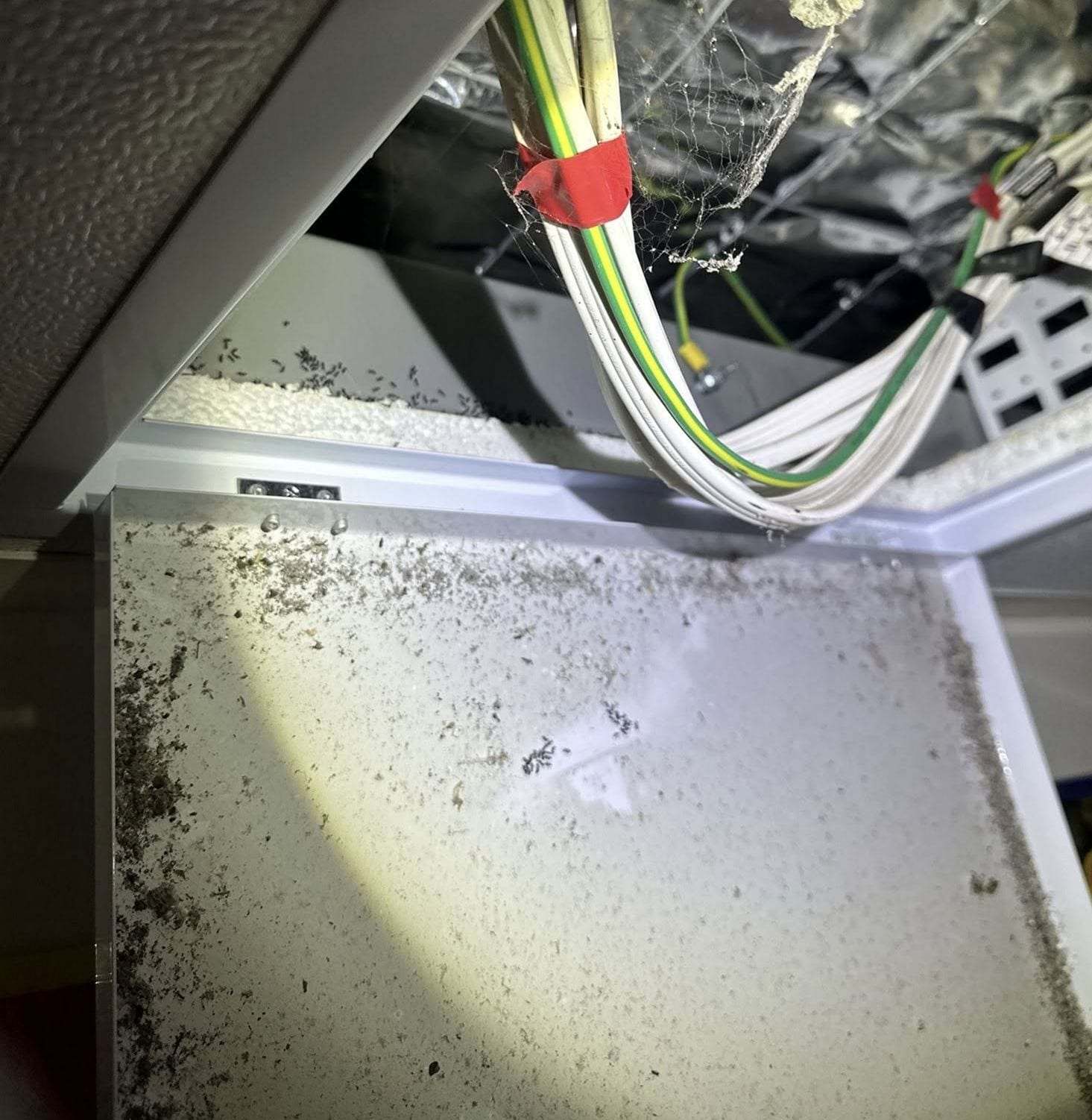
In homes, the usual findings are ant trails along the foundation, spiders in basements and garages, and mouse droppings near the furnace or water heater. In small commercial buildings, ceiling spaces above kitchens and storage rooms are a common hiding place for cockroaches; droppings on top of the ceiling panels are often the first sign anyone sees.
Rental units turn up what the last tenant left behind. A unit that sits empty for a few weeks can still hide cockroaches in the kitchen or bed bugs in a closet, and the inspection between tenants is the time to find them.
How Often?
How often should a property be inspected?
For a house with no history of trouble, once a year is a sensible baseline, with termite checks in spring when swarms happen. Rentals are worth checking between tenants. Small businesses with food, storage or trash areas, and houses that have had cockroaches or rodents before, benefit from a regular schedule through the year.
Buying or Selling a Home
I am buying or selling a home. Do I need a wood-destroying insect inspection?
Often, yes. Many lenders ask for a wood-destroying insect report before closing, usually on the standard NPMA-33 form. It records visible signs of termites, carpenter ants and wood-boring beetles. Sellers sometimes order one early so there are no surprises once a buyer is under contract.
Termites are active across southwestern Pennsylvania, and many older houses around Bethel Park have wood sills and porch framing close to the soil. An inspection report gives both sides of a sale a clear picture of what is there, and of any treatment the house has had.
Want a property looked over, or a schedule set up? Book the first inspection.